Hello! Welcome to the Bethesda Book Club!
We are so excited for this club. Our hope is, aside from reading lots of great books, to foster connection and conversation through the invisible threads we discover in each story we open.
If you are unfamiliar with the Invisible String theory, it is a fairly popular belief that unseen threads connect people to their destiny, loved ones, or a higher purpose. It is a theme often found in stories, books, films, and songs and therefore seems to speak to something deep in our humanity about guidance, wisdom, fate…. This club is coming partially as an extension from Bethesda’s Hay Festival weekend 2026 where we began to investigate this idea in literature through six semi-classic books and a concept of string that guided the protagonists on their respective journeys. The heart of this book club is hoping to trace the literary, mythical and storytelling power of concepts like invisible string throughout literature, where it intersects with faith, and ultimately the story of our lives.
This club is coming from and through the community at Bethesda Church and therefore, we will naturally talk about faith, especially in relation to our Christian theology and worldview as it comes up in various books. However, being a Christian is not expected for participation in this group and we will not necessarily read only faith adjacent books. We believe that we are all spiritual beings and so questions and thoughts relating to faith are bound to occur in all works of literature. And hints of the greatest story ever told are always found in the best stories. Thinking about and responding to these ideas is a fun part of reading stories! We hope that everyone feels welcome to read, talk about, look for and express all parts of their life in this book club and what comes to mind through the books we read.

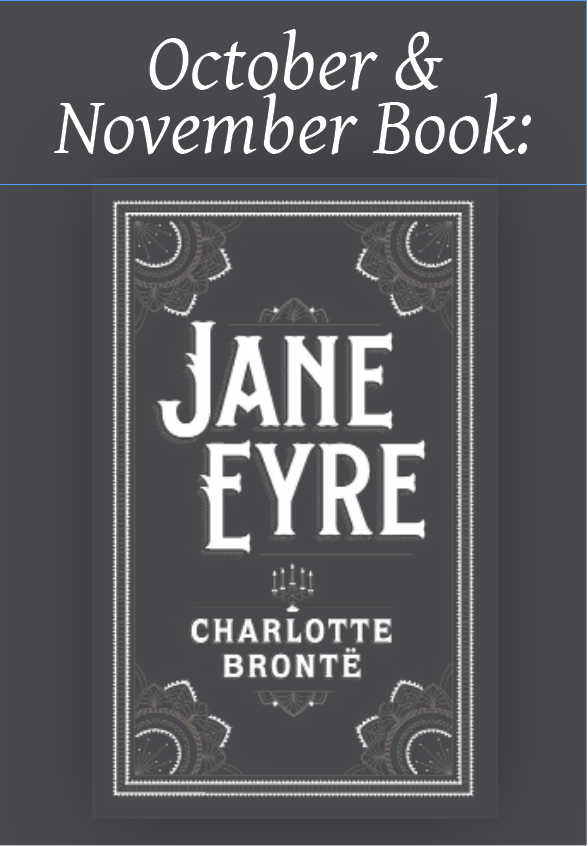
For October and November, we’re reading Jane Eyre by Charlotte Brontë. This is another one from our May Hay Festival event. Check back here in early November for prompts and questions for discussion.
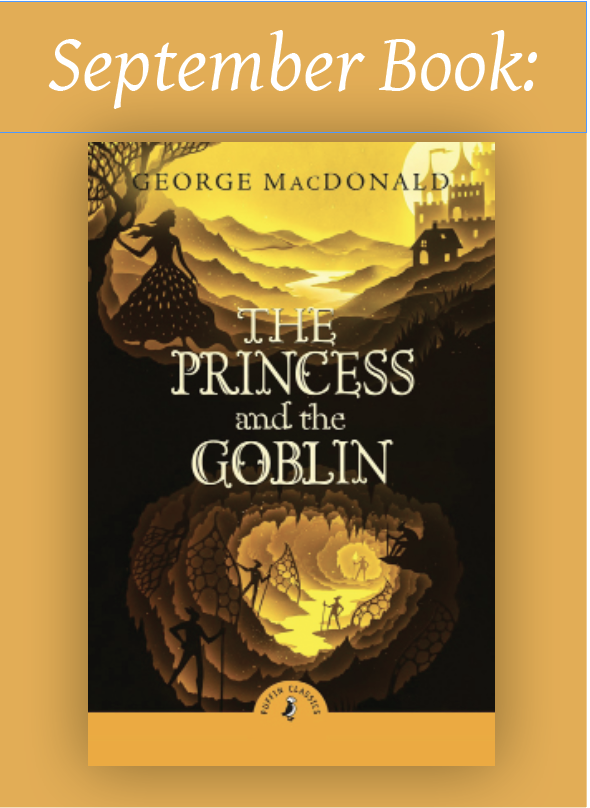
Books we’ve read:
October & November book:
Jane Eyre
by Charlotte Brontë
Book Club Discussion Date:
Tuesday, 24th November
Time: 7:30-9:00pm
Where: Caryn’s house in Hay
(contact for directions)
How to Prepare:
1. Read the book!
2. Come to our discussion night.
Three small things that make each meeting better for everyone.
• Have your copy on hand. Whatever edition you own, bring it! (Library book is fine too. Let Caryn know if you need help finding a copy of any book.) If you listen to the audiobook, maybe just jot down a thought or two to share so you remember!
• Mark a spread, passage, or illustration you want to talk about. One quote, page, or section that stopped you, delighted you, angered you, or puzzled you. That is usually where the best discussion starts.
• Have a think about the prompts. No homework, just somewhere for your mind to go and help kickstart our discussion.